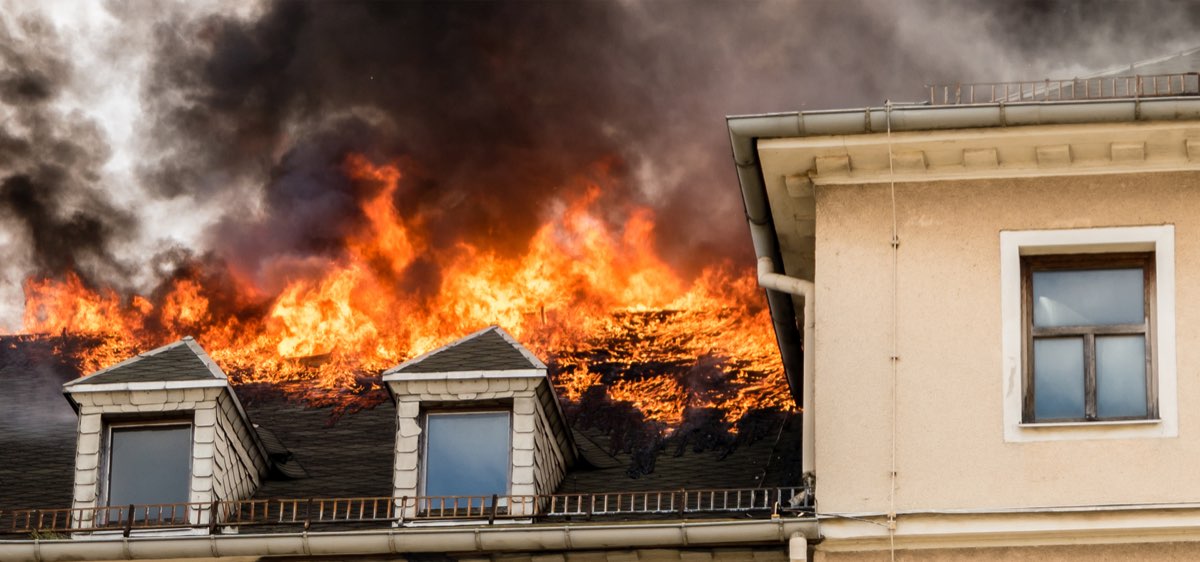
What Is Fire Damage Restoration?
Fire damage restoration is the process of securing a fire-damaged property, removing soot, smoke residue and odor, drying water used to fight the fire, cleaning or replacing contents, and rebuilding damaged structure. Even a small kitchen fire spreads smoke and soot through the whole home, so restoration covers far more than the burned room.
Why Fire Damage Gets Worse After the Fire Is Out
- Soot is acidic. Within hours it discolors plastics and grout; within days it etches glass, metal and finishes.
- Smoke odor penetrates drywall, insulation, upholstery and HVAC ducts.
- Firefighting water soaks floors and walls, starting the same mold clock as any water loss.
- Open roofs and windows expose the home to rain and intruders.
That is why the first 24 to 48 hours matter as much after a fire as after a flood.
Types of Smoke and Soot Residue
| Residue type | Typical source | Cleaning difficulty |
|---|---|---|
| Dry smoke | Fast, hot fires burning wood and paper | Powdery; easier to remove |
| Wet smoke | Smoldering, low-heat fires burning plastics and rubber | Sticky, smeary, strong odor |
| Protein residue | Kitchen fires (burned food) | Nearly invisible film, very strong odor |
| Fuel oil soot | Furnace puff-backs | Heavy, oily, spreads through ducts |
Each residue needs a different cleaning chemistry. Using the wrong method, such as wiping wet smoke with water, smears it deeper. See smoke and soot damage cleanup.
Our Fire Damage Restoration Process
- Emergency contact and assessment. We inspect the structure, contents and HVAC and document every room.
- Board-up and roof tarping. Openings are secured against weather and entry. See emergency board-up.
- Water removal and drying. Firefighting water is extracted and the structure dried.
- Contents pack-out. Salvageable belongings are inventoried and moved for cleaning. See contents pack-out.
- Soot and smoke removal. Walls, ceilings and surfaces are cleaned with methods matched to the residue.
- Odor removal. Thermal fogging, hydroxyl or ozone treatment and air scrubbing neutralize odor. See smoke odor removal.
- Demolition and rebuild. Charred materials are removed and the home rebuilt by our reconstruction team.
How Much Does Fire Damage Restoration Cost?
Fire restoration cost depends on how far smoke traveled, the residue type, how much was burned, and how much water was used to put out the fire. A contained stovetop fire may need cleaning and deodorizing of a few rooms; a structure fire needs demolition, cleaning and rebuild. Our fire damage restoration cost guide breaks down each factor.
Fire Damage and Insurance
Most homeowners policies cover fire and smoke damage, including additional living expenses while the home is uninhabitable. We provide the detailed documentation adjusters require, including room-by-room photos, contents inventories and Xactimate estimates. See insurance claim help.
Safety After a House Fire
- Do not enter until the fire department says the structure is safe.
- Do not turn on the HVAC system; it spreads soot through the ducts.
- Do not wipe soot from walls or upholstery yourself.
- Do not eat food or use cosmetics exposed to heat, smoke or soot.
Read our checklist on what to do after a house fire.
Fire Damage Restoration Timeline
Every fire is different, but most projects follow the same phases:
| Phase | Typical timing | What happens |
|---|---|---|
| Emergency response | First 24 hours | Inspection, board-up, roof tarp, water extraction |
| Assessment and estimate | Days 1 to 3 | Room-by-room scope, contents inventory, adjuster meeting |
| Cleaning and deodorizing | Days 2 to 10 | Soot removal, HVAC cleaning, odor treatment |
| Contents restoration | Runs in parallel | Pack-out, cleaning and storage off site |
| Reconstruction | Weeks to months | Demolition of charred materials and rebuild |
Small kitchen fires that stayed in one room are often finished in a week or two. Structure fires with heavy charring follow a construction schedule that depends on permits, materials and insurance approval.
What Can Be Saved After a House Fire
Many items that look ruined can be cleaned, but anything charred, melted or soaked by contaminated water usually cannot. We test items before deciding and always ask before discarding anything.
| Usually restorable | Usually replaced |
|---|---|
| Painted walls with light to moderate soot | Charred framing and drywall |
| Solid wood furniture | Heat-warped plastics and laminates |
| Dishes, glass, metal items | Mattresses and pillows with heavy smoke |
| Clothing and linens (restoration laundering) | Food, medicine, cosmetics exposed to heat or smoke |
| Many documents and photos | Electronics with heat or water damage inside |
Kitchen Fires, Puff-Backs and Electrical Fires
The fires we restore most often in DuPage County homes are kitchen grease fires, furnace puff-backs and electrical or dryer fires. Kitchen fires leave protein residue that is nearly invisible but carries a strong odor. Puff-backs coat every room served by the ductwork in oily soot within seconds. Electrical fires burn plastics and insulation, leaving sticky wet-smoke residue inside walls.
Why Choose Us for Fire Restoration
- One company from board-up to rebuild, so nothing falls between contractors
- Residue-specific cleaning instead of one chemical for every surface
- Contents inventory that supports the personal property part of your claim
- Daily updates so you always know what happens next
- Local crews who can secure your Wood Dale property the same night
Fire Damage in Commercial Buildings
Restaurants, warehouses and offices need a restoration plan that protects inventory and gets doors open quickly. We phase the work, clean production areas first and document business interruption losses for the insurer.
Firefighting Water and Mold Risk
Fire hoses and sprinklers can release thousands of gallons into a home in minutes. That water soaks drywall, insulation and subfloors in rooms the fire never touched, and it mixes with soot and ash. Left in place, it starts the same 24 to 48 hour mold clock as any flood. Our fire crews extract water and set drying equipment on day one, before soot cleaning begins, so the home is not fighting two problems at once.
Questions to Ask a Fire Restoration Company
- Are your technicians trained in fire and smoke restoration?
- Will you provide a written, itemized estimate my adjuster can review?
- Do you handle board-up, cleaning, contents and rebuild, or will I need other contractors?
- How will you identify the type of smoke residue before cleaning?
- How do you confirm the odor is gone before you finish?
- Who is my single point of contact, and how often will I get updates?
Insurance Documentation for Fire Claims
Fire claims involve three parts: the structure, your contents and your living expenses. We photograph every room before cleaning, inventory contents during pack-out and write an itemized estimate for the building. Your adjuster receives one organized file instead of scattered receipts, which shortens review time.
Our Fire Damage Restoration Services
Areas We Serve
We respond from Wood Dale to homes and businesses across DuPage and northwest Cook County, including:
Fire Damage Restoration FAQs
How soon should fire damage restoration start?
Restoration should start within 24 to 48 hours. Soot becomes harder to remove and starts permanently staining surfaces within days, and water from firefighting can lead to mold.
Can smoke-damaged belongings be saved?
Many can. Hard goods, textiles, documents and electronics are often restored with specialized cleaning, while items with heat damage or heavy soot in porous materials may need replacement.
How long does fire damage restoration take?
Cleaning and deodorizing a small kitchen fire can take a few days. Major structure fires that need demolition and rebuild can take several weeks to months.
Is it safe to stay in a house with smoke damage?
Usually not until soot is cleaned and the air is treated. Soot particles and smoke residue irritate lungs, so most families stay elsewhere during cleanup, often paid by additional living expense coverage.