What Is Mold Remediation?
Mold remediation is the process of containing, removing and cleaning mold growth from a building and correcting the moisture problem that caused it, so mold returns to normal background levels. The ANSI/IICRC S520 Standard for Professional Mold Remediation defines how it is done.
Mold removal and mold remediation are often used as the same thing. Mold spores exist naturally in all indoor and outdoor air, so no company can remove every spore. The goal is to remove active growth and contaminated materials and return the indoor environment to normal conditions.
Signs You Have a Mold Problem
- A musty, earthy smell, especially in basements and closets
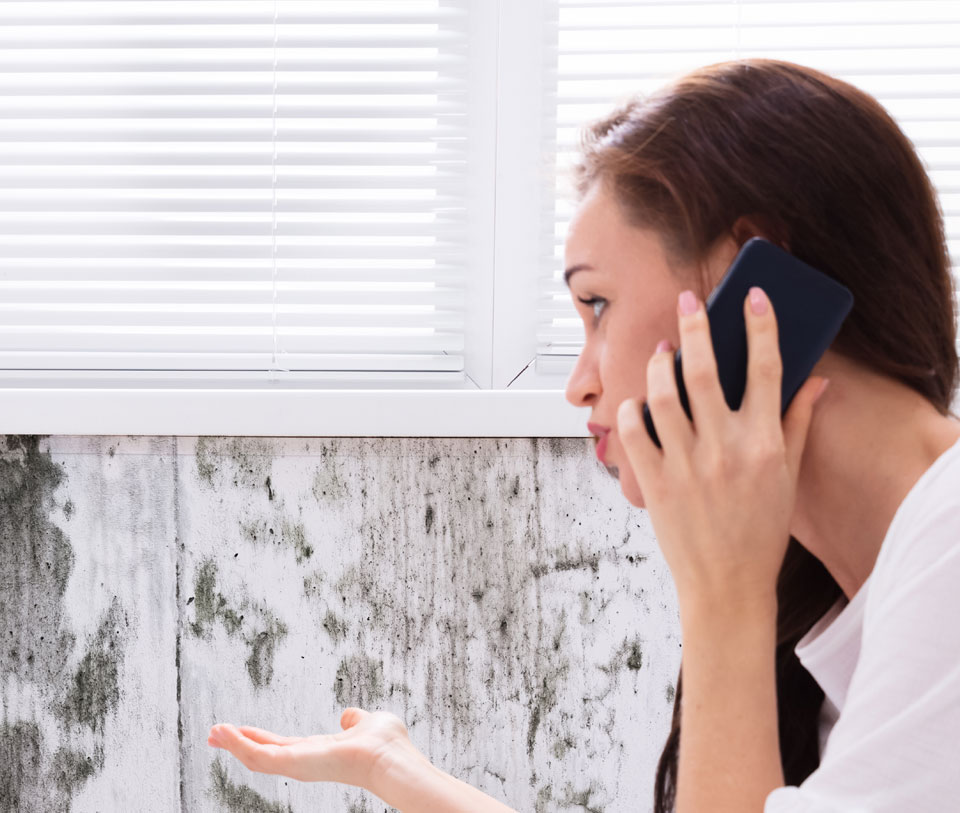
- Black, green, gray or white spots on walls, ceilings, wood or grout
- Peeling paint, warped drywall or stains after a past leak
- Condensation on windows and pipes, or humidity above 60%
- Allergy-like symptoms that improve when you leave the home
Mold often grows where you cannot see it. See signs of mold behind walls and under floors.
What Causes Mold in Wood Dale Homes?
Mold needs moisture, food (drywall paper, wood, dust) and time. The moisture sources we find most often are basement seepage and past flooding, roof and plumbing leaks, poorly vented bathrooms and attics, and high summer humidity in basements without dehumidifiers. Mold can start growing on wet materials within 24 to 48 hours, which is why fast water damage restoration is the best mold prevention.
Our Mold Remediation Process
- Inspect and assess. We map the visible growth, measure moisture and find the water source. See mold inspection and testing.
- Fix the moisture source. Leaks, seepage and humidity are corrected, or we coordinate with the right trade.
- Contain the area. Plastic barriers and negative air pressure keep spores from spreading.
- Filter the air. HEPA air scrubbers run throughout the job.
- Remove contaminated materials. Moldy drywall, insulation and carpet are bagged and removed.
- Clean remaining surfaces. Framing and hard surfaces are HEPA-vacuumed, scrubbed or sanded and treated.
- Dry and verify. Materials are dried, and the area is checked visually and, when requested, by independent post-remediation testing.
- Rebuild. Drywall, insulation and finishes are replaced by our reconstruction team.
Is Black Mold Dangerous?
Many molds are dark in color, and “black mold” usually refers to Stachybotrys chartarum, which grows on wet cellulose materials like drywall paper after long-term water damage. Any mold growth can trigger allergy and asthma symptoms in sensitive people, so all growth is handled with the same containment precautions regardless of color. Read black mold vs. regular mold.
How Much Does Mold Remediation Cost?
Mold remediation cost depends on the size of the affected area, where the mold is (basement, attic, inside walls), what materials must be removed, and whether the moisture source needs repair. A small area of surface growth costs far less than mold inside finished basement walls. See our mold remediation cost guide.
| Cost factor | Lower cost | Higher cost |
|---|---|---|
| Affected area | A few square feet | Whole basement or attic |
| Location | Open, accessible surfaces | Inside walls, HVAC, crawl spaces |
| Materials | Concrete, framing | Finished drywall, carpet, insulation |
| Moisture source | Already fixed | Needs repair or waterproofing |
Does Insurance Cover Mold Removal?
Insurance usually covers mold only when it results from a covered sudden water loss, like a burst pipe, and many policies cap mold coverage at a set limit. Mold from long-term leaks, humidity or poor maintenance is usually excluded. See does insurance cover mold removal?
Containment Levels We Use
Containment is scaled to the size of the mold growth and the risk to the rest of the building. The goal is to keep spores released during removal inside the work area.
| Affected area | Containment | Air filtration |
|---|---|---|
| Small, isolated area | Plastic sheeting around the work spot | HEPA vacuum at the source |
| One room or wall section | Full plastic enclosure with zipper door | HEPA air scrubber, negative pressure |
| Basement, attic or multiple rooms | Full containment with decontamination chamber | Multiple air scrubbers vented outside |
Why Bleach and Store-Bought Sprays Fail
Bleach is mostly water. On porous materials such as drywall and wood it kills surface growth and leaves the water behind, which feeds regrowth. Sprays can lighten stains without removing the mold, and dead mold still causes allergic reactions. Professional remediation physically removes the growth and the materials it damaged.
Mold in HVAC Systems
Mold can grow on dirty coils, drain pans and duct insulation when condensation builds up. A musty smell when the system starts is a common sign. HVAC mold is cleaned under containment, with filters replaced and drain lines cleared so moisture does not return.
Preventing Mold After Remediation
- Keep indoor humidity between 30% and 50%.
- Fix leaks within 24 to 48 hours and dry anything wet.
- Vent bathrooms, dryers and kitchens to the outside.
- Keep gutters clean and grade soil away from the foundation.
- Use mold-resistant drywall in basements and bathrooms.
- Check under sinks, around windows and in the basement monthly.
Why Choose Us for Mold Remediation
- Root cause first: we find and fix the moisture, not just the stain
- Containment on every job to protect the rest of your home
- Written scope before work starts, showing exactly what will be removed
- Independent clearance testing available on request
- Rebuild included, so you are not left with open walls
Health Effects of Indoor Mold
According to the U.S. Environmental Protection Agency, mold exposure can cause allergic reactions such as sneezing, runny nose, red eyes and skin rash, and it can trigger asthma attacks in people who have asthma. People with weakened immune systems or chronic lung disease are at higher risk of infection. Symptoms often ease when the person leaves the building, which is a common clue that mold is present.
Questions to Ask a Mold Remediation Company
- Will you find and correct the moisture source?
- What containment and air filtration will you use for my job?
- Which materials will be removed, and which will be cleaned?
- Do you follow the ANSI/IICRC S520 standard?
- Can an independent professional test the area when you finish?
- Do you rebuild after removal, or will I need another contractor?
Mold Remediation for Landlords and Property Managers
Rental properties need a documented response to every mold complaint. We inspect the unit, write a scope, remediate under containment and provide a final report with photos and moisture readings. That record shows tenants, owners and insurers that the problem was handled correctly and the moisture source was corrected.
What a Mold Remediation Estimate Should Include
A clear estimate lists the containment setup, air filtration, materials to be removed with square footage, cleaning methods, antimicrobial treatment, disposal, drying, any testing and the rebuild scope. If an estimate only says “mold removal” with a single price, ask for the details before you sign.
Our Mold Remediation Services
Areas We Serve
We respond from Wood Dale to homes and businesses across DuPage and northwest Cook County, including:
Mold Remediation FAQs
Can I remove mold myself?
The EPA suggests homeowners can usually clean small areas under about 10 square feet on hard surfaces if the moisture problem is fixed. Larger areas, mold inside walls or HVAC systems, or mold after sewage or flooding need professional remediation with containment.
How long does mold remediation take?
Most residential mold remediation takes 1 to 5 days, depending on the size of the area and materials removed. Rebuild time is added if drywall and insulation must be replaced.
Will mold come back after remediation?
Mold returns only if the moisture source is not corrected. That is why every remediation includes finding and fixing the leak, seepage or humidity problem.
Do I need to leave my home during mold remediation?
Usually not. Containment and negative air pressure isolate the work area. People with asthma, allergies or weakened immune systems may choose to stay elsewhere during large projects.