What Is Storm and Flood Damage Restoration?
Storm and flood damage restoration is the emergency protection, water removal, cleaning and repair of buildings damaged by heavy rain, overland flooding, wind or hail. Floodwater from outside is treated as Category 3 (contaminated) water, so the cleanup is closer to sewage work than to a clean pipe leak.
Flood Risk in Wood Dale
Salt Creek is the mapped floodway through Wood Dale. The U.S. Geological Survey publishes flood-inundation maps for a 1.6-mile reach of the creek in Wood Dale, verified against the July 2010 flood. The City’s flooding procedures begin sandbagging near Salt Creek at a creek elevation of 675.0 feet, and the record 1987 flood reached 680.5 feet after 9.45 inches of rain. The Wood Dale–Itasca Flood Control Facility, operated by DuPage County, stores stormwater to protect Wood Dale, Addison, Villa Park and Elmhurst. Read our Salt Creek flooding guide.
Storm cleanup combines emergency board-up with our full water damage restoration process, from extraction through rebuild.
Storm Damage We Restore
- Overland flooding and creek overflow into basements and first floors
- Roof leaks from wind-lifted shingles, hail or fallen trees
- Window and siding breaches that let rain into walls
- Basement flooding when sump pumps lose power in storms
- Sewer surcharges during heavy rainfall. See sewage backup cleanup.
Our Storm and Flood Restoration Process
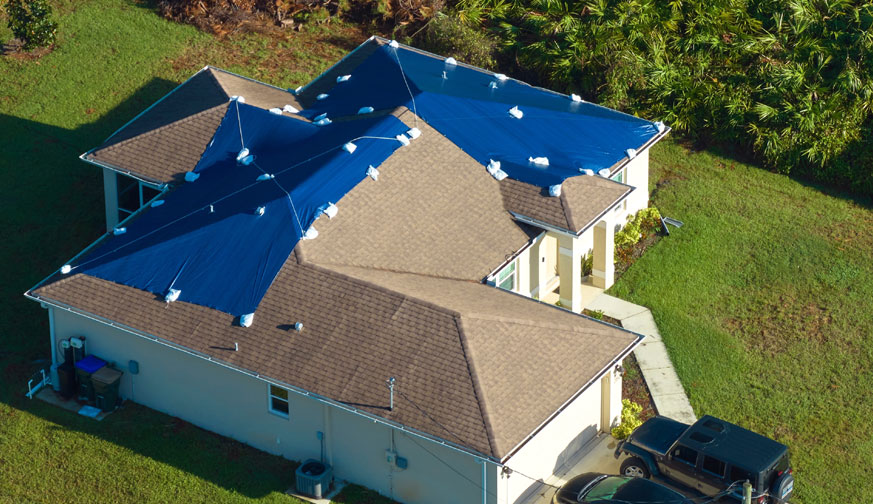
- Secure the property with board-up and roof tarping.
- Pump out floodwater and extract water from carpet and floors.
- Remove floodwater-contaminated drywall, insulation, flooring and soft contents.
- Clean and disinfect remaining structure.
- Dry with dehumidifiers and air movers to dry standard.
- Inspect for hidden mold and treat as needed.
- Rebuild through our reconstruction services.
Flood Insurance vs. Homeowners Insurance
Homeowners policies usually cover wind and hail damage and rain that enters through a storm-created opening. They usually exclude rising surface water and creek flooding, which needs a separate flood policy through the National Flood Insurance Program or a private insurer. Many policies have a 30-day waiting period, so buy flood coverage before the spring season.
What to Do During a Flood Warning
- Move valuables, documents and electronics above basement level.
- Test the sump pump and start a backup or generator.
- Turn off power to the basement if water is likely to reach outlets.
- Clear gutters, downspouts and storm drains near your home.
- Sign up for City of Wood Dale and DuPage County alerts.
Safety After a Flood
- Do not enter floodwater; it can hide electrical hazards and sharp debris.
- Do not use gas appliances that were submerged until they are inspected.
- Wear gloves and boots when handling anything floodwater touched.
- Throw away food, medicine and cosmetics that contacted floodwater.
- Watch for structural damage such as cracked foundations or sagging floors.
Storm Damage Documentation
Insurers handle wind, hail and rain differently from flooding. Clear photos of the roof, windows and the water path into the home show whether water came through a storm opening (often covered) or rose from outside (covered only by flood insurance). We photograph the exterior and the interior water path on every storm job.
Mold After Flooding
Floodwater soaks drywall and insulation that are slow to dry, and it brings organic material into the home. Mold commonly follows within days if materials are not removed and dried. Our crews inspect for growth at the end of every flood job and treat what we find.
After the Storm Passes
Check attics, ceilings and exterior walls for slow leaks in the days after a storm. Water from a lifted shingle or cracked flashing can drip into insulation for days before a stain appears on the ceiling below.
Areas We Serve
We respond from Wood Dale to homes and businesses across DuPage and northwest Cook County, including:
Storm & Flood Damage FAQs
Is floodwater considered contaminated?
Yes. Water that enters from outside, such as creek or street flooding, is Category 3 because it carries sewage, chemicals and soil. Porous materials it soaked must be removed, not just dried.
Does homeowners insurance cover flood damage?
Standard homeowners insurance does not cover rising surface water or creek flooding. You need a separate flood insurance policy, while wind-driven rain through a damaged roof is usually covered.
Can you tarp my roof after a storm?
Yes. We provide emergency roof tarping and board-up 24/7 to stop rain from entering and to meet your policy’s requirement to prevent further damage.
How soon after a flood should cleanup start?
Cleanup should start as soon as the water stops rising and the property is safe to enter, ideally within 24 to 48 hours to limit mold growth and structural damage.