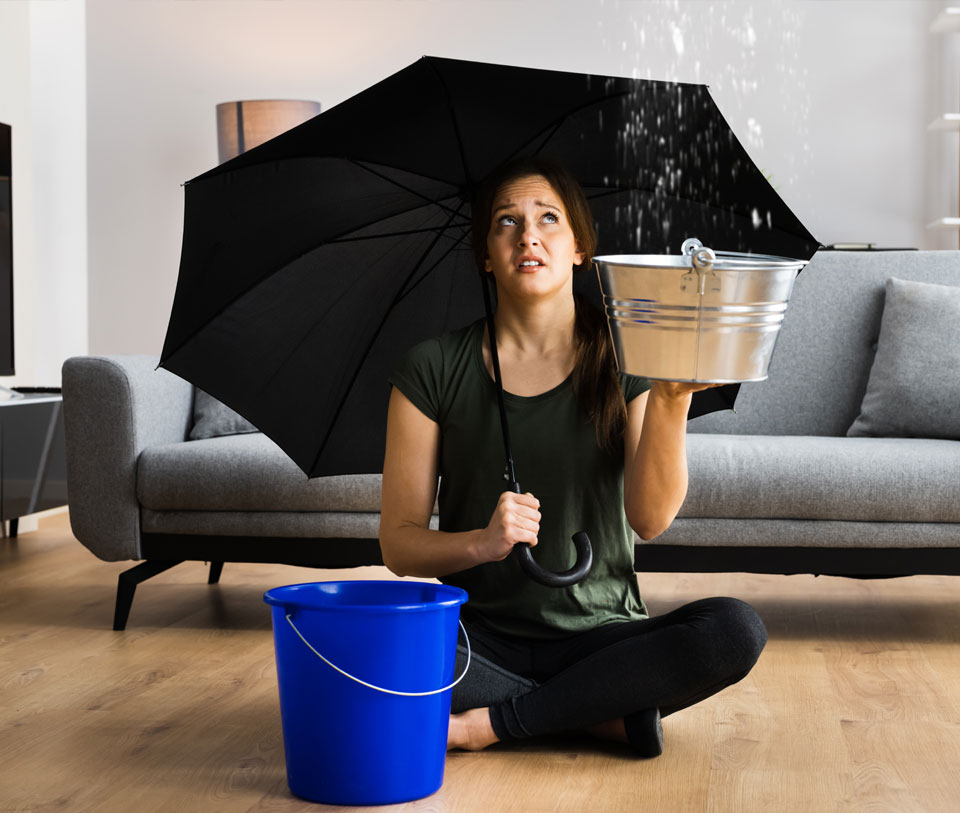
What Is Water Damage Restoration?
Water damage restoration is the process of removing water from a building, drying the structure and contents to normal moisture levels, cleaning and sanitizing affected materials, and repairing what cannot be saved. It has two phases: mitigation (stopping the damage) and restoration (putting the property back to its pre-loss condition).
Speed decides the cost of every water job. Drywall, carpet pad and wood framing absorb water within hours, and mold can begin growing on wet materials within 24 to 48 hours. That is why our crews are on call 24 hours a day and dispatch directly from Wood Dale.
Signs You Need Professional Water Damage Restoration
- Standing water in a basement, crawl space or on any floor
- Wet carpet, swollen baseboards or bubbling paint after a leak
- Water stains spreading on ceilings or walls
- A musty smell that returns after you clean
- Water that came from a toilet, floor drain or sewer line
- Any leak that ran longer than 24 hours before you found it
Common Causes of Water Damage in Wood Dale Homes
Most calls we answer in Wood Dale trace back to five sources:
- Basement flooding from sump pump failure, foundation seepage or heavy rain overwhelming drainage. See flooded basement cleanup.
- Sewer and floor-drain backups during storms, when the municipal system surcharges. See sewage backup cleanup.
- Burst and frozen pipes during January and February cold snaps.
- Appliance failures: water heaters, washing machine hoses, dishwashers, ice-maker lines.
- Salt Creek and storm flooding for properties near the creek and in low-lying streets.
Water Damage Categories and Classes
The ANSI/IICRC S500 Standard for Professional Water Damage Restoration classifies every loss by contamination (category) and by how much water the structure absorbed (class). The category decides what can be saved; the class decides how much drying equipment is needed.
| Category | Water source | What it means for cleanup |
|---|---|---|
| Category 1 (clean) | Supply line, faucet, rainwater from a roof leak | Most materials can be dried in place if handled quickly |
| Category 2 (gray) | Washing machine, dishwasher, toilet overflow without feces | Cleaning and antimicrobial treatment required; pad usually replaced |
| Category 3 (black) | Sewage, floodwater from outside, long-standing water | Porous materials removed and disposed; full sanitizing required |
Water changes category over time. Clean water that sits for two or three days picks up bacteria and becomes Category 2 or 3. Read more in our guide to water damage categories and classes.
Our Water Damage Restoration Process
- Answer and dispatch. A live coordinator answers 24/7, asks safety questions and sends a crew.
- Inspect and stop the source. We find the source, shut it off, check electrical hazards and photograph everything for your claim.
- Extract the water. Truck-mounted and portable extractors remove standing water and water held in carpet. See emergency water removal.
- Remove what cannot be saved. Wet pad, saturated insulation and contaminated drywall are cut out to industry standards.
- Dry the structure. Air movers and dehumidifiers are placed according to moisture mapping. See structural drying.
- Clean and sanitize. Surfaces are cleaned and treated with EPA-registered antimicrobials where needed.
- Verify dryness. We record moisture readings daily until every material reaches its dry standard.
- Restore. Drywall, paint, flooring and trim are rebuilt by our reconstruction team.
How Much Does Water Damage Restoration Cost?
Water damage restoration cost depends on the water category, the square footage affected, the materials that got wet and how many days of drying are needed. A clean-water leak caught early in one room costs far less than a sewage backup through a finished basement. We give a written estimate based on Xactimate, the same pricing software insurance adjusters use.
| Cost factor | Lower cost | Higher cost |
|---|---|---|
| Water category | Category 1 clean water | Category 3 sewage or floodwater |
| Affected area | One room | Whole basement or multiple floors |
| Materials | Tile, concrete | Carpet, hardwood, plaster, finished drywall |
| Response time | Same day | Water left for days (mold risk) |
Learn more in our water damage restoration cost guide.
Does Insurance Cover Water Damage?
Standard homeowners policies usually cover sudden and accidental water damage, such as a burst pipe or a failed water heater. They usually exclude gradual leaks and flooding from outside, which needs separate flood insurance, and they cover sewer or sump backups only with a water backup endorsement. We document the loss, bill your carrier directly when allowed, and meet your adjuster on site. See insurance claim help.
Why Wood Dale Property Owners Choose Us
- Based in Wood Dale, so we arrive in about the time it takes national call centers to dispatch.
- Work performed to the ANSI/IICRC S500 standard with daily drying logs and photos.
- One company from extraction through rebuild — no hand-off between contractors.
- Direct communication with your insurance adjuster.
Hidden Water Damage After a Leak
Water travels farther than it looks. It wicks up drywall, runs along joists and pools under flooring, so the visible stain is usually the smallest part of the loss. On every job we check the areas homeowners cannot see:
- Wall cavities behind the wet baseboard, measured with pin meters at several heights
- Subfloors and the underside of hardwood, where water collects and causes cupping weeks later
- Ceilings below bathrooms and laundry rooms, where insulation holds water like a sponge
- Cabinet toe-kicks and bases, which swell and delaminate when left wet
- Carpet pad and tack strip, which stay wet long after carpet feels dry
Thermal imaging shows temperature differences caused by evaporating water, and moisture meters confirm what the camera suggests. Nothing is declared dry until the readings say so.
Mistakes That Make Water Damage Worse
- Waiting to see if it dries. Hidden moisture keeps feeding mold even after surfaces feel dry.
- Using household fans only. Fans without dehumidifiers push moist air into other rooms.
- Turning up the heat with the windows closed. Warm, humid air speeds microbial growth.
- Painting over water stains. The stain returns and the wet material underneath stays wet.
- Throwing items away before the adjuster sees them. Missing evidence slows the claim.
- Cleaning sewage with bleach and a mop. It spreads contamination into porous materials.
What Our Drying Reports Include
Every water job comes with a written record that you and your adjuster can review at any time:
| Report item | Why it matters |
|---|---|
| Moisture map with readings per room | Shows exactly which materials got wet |
| Daily temperature and humidity logs | Proves drying conditions were maintained |
| Equipment list and run days | Justifies each line on the invoice |
| Before, during and after photos | Documents the loss for the claim |
| Final dry-standard confirmation | Shows the structure is ready for repairs |
Our Water Damage Restoration Services
Areas We Serve
We respond from Wood Dale to homes and businesses across DuPage and northwest Cook County, including:
Water Damage Restoration FAQs
How fast should water damage be cleaned up?
Water damage should be extracted and drying should start within 24 to 48 hours. After that window, mold growth becomes likely and clean water can degrade into contaminated water, which raises cost and health risk.
How long does it take to dry a house after water damage?
Most homes dry in 3 to 5 days with professional air movers and dehumidifiers. Hardwood floors, plaster and concrete can take longer, and we confirm dryness with moisture meters before removing equipment.
Can I stay in my home during water damage restoration?
Yes, in most clean-water losses you can stay home. For sewage backups, large losses or work in the only bathroom or kitchen, we may recommend staying elsewhere, and many policies pay for additional living expenses.
Do you work with my insurance company?
Yes. We work with all major insurance carriers, document the loss with photos and moisture readings, and can bill your insurer directly once the claim is approved.