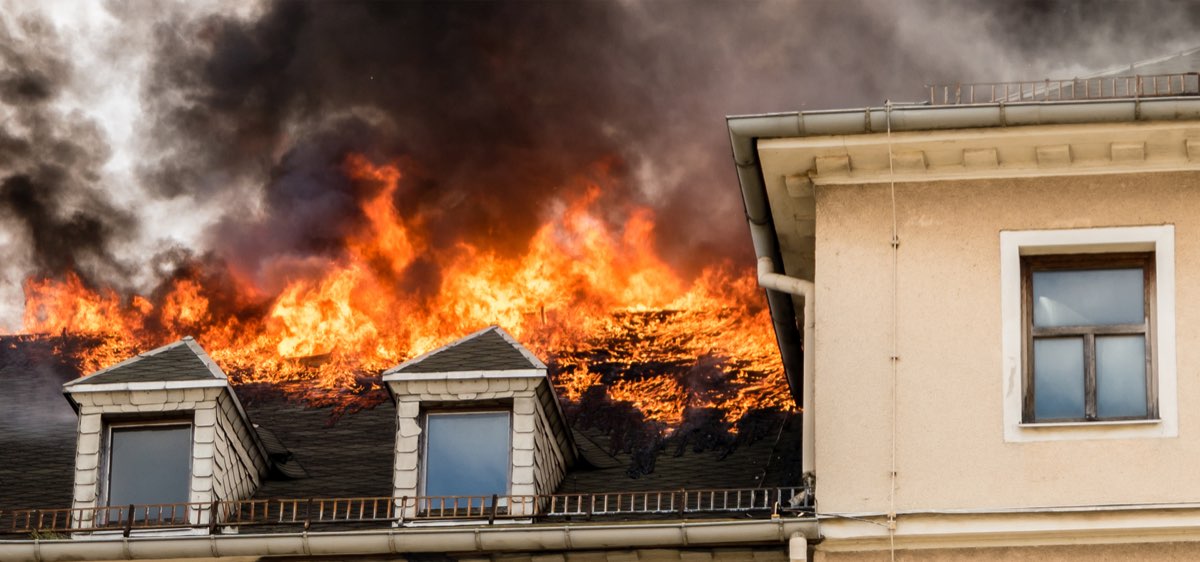
What Is Smoke and Soot Damage Cleanup?
Smoke and soot damage cleanup is the removal of combustion residue from a building’s surfaces, systems and contents using methods matched to the type of smoke, followed by sealing and deodorizing where needed. It applies to house fires, kitchen fires, candle soot and furnace puff-backs.
Signs of Smoke and Soot Damage
- Black or gray film on walls and ceilings, heaviest near the ceiling
- Dark shadows around outlets, vents and above doors
- Yellow or brown discoloration on plastics and appliances
- Black webs in ceiling corners (soot clinging to cobwebs)
- Persistent smoky or burned-plastic odor
- Black streaks around HVAC registers after a furnace puff-back
Soot removal is the central cleaning step of our fire damage restoration service in Wood Dale and nearby communities.
Why You Should Not Wipe Soot Yourself
Soot particles are very fine and often oily. Wiping with water or household cleaners smears them into paint, grout and fabric and drives them deeper into porous surfaces. Professional cleanup starts with dry methods that lift residue before any wet cleaning.
Our Soot Removal Methods
| Method | Used for |
|---|---|
| HEPA vacuuming | Loose soot on surfaces and contents |
| Dry chemical sponges | Lifting dry soot from painted walls and ceilings |
| Alkaline degreasers | Wet smoke and protein residue |
| Ultrasonic cleaning | Hard contents: dishes, fixtures, hardware |
| Abrasive or soda blasting | Charred framing and heavy residue |
| Odor-sealing primer | Surfaces that hold odor after cleaning |
HVAC and Duct Cleaning After Smoke Damage
Running the furnace or air conditioner after a fire pulls soot into ductwork and spreads it to every room. We inspect and clean ducts, replace filters and clean the air handler as part of every smoke job. The IICRC S700 Standard for Professional Fire and Smoke Damage Restoration guides this work.
Furnace Puff-Back Cleanup
A puff-back happens when an oil or gas furnace misfires and blows soot through the ducts into the home. It can coat every room in fine, oily soot within seconds. Cleanup includes HEPA vacuuming, chemical cleaning of every surface, duct cleaning and smoke odor removal.
Our Smoke Damage Cleanup Process
- Test surfaces to identify the residue type.
- Contain clean areas and set HEPA air scrubbers.
- Dry-clean surfaces with HEPA vacuums and chemical sponges.
- Wet-clean with residue-specific chemistry.
- Clean HVAC components and ductwork.
- Deodorize and, where needed, seal surfaces before painting.
How Far Does Smoke Travel in a House?
Smoke travels well beyond the room where a fire starts, following air currents to cooler areas, into closets, through outlet boxes and into HVAC ducts. Hot smoke rises and spreads across ceilings first, then settles as it cools. That is why a kitchen fire can leave soot on bedroom ceilings upstairs and inside closed drawers.
Smoke also moves toward cold surfaces. Exterior walls, windows and plumbing lines often show heavier residue, and soot lines can appear along framing behind drywall, a pattern restorers call ghosting.
Cleaning by Surface Type
| Surface | Approach |
|---|---|
| Flat painted walls and ceilings | Dry sponge first, then mild alkaline cleaner |
| Kitchen cabinets | Degreaser for protein residue, then wood cleaner |
| Brick and stone | Masonry cleaner or soda blasting |
| Windows and glass | Prompt cleaning before soot etches the surface |
| Carpet | Hot water extraction with soot-specific detergent |
| Upholstery | Dry cleaning solvents or replacement if heavily soiled |
Candle Soot and Small Smoke Events
Not every soot problem comes from a fire. Frequent candle burning, a malfunctioning furnace or a fireplace that drafts poorly can leave black streaks on walls, ceilings and carpet edges along doorways. The same dry-first cleaning approach removes it without smearing.
When Cleaning Is Not Enough
Some surfaces cannot be cleaned to an acceptable standard: charred materials, soft acoustic ceilings with heavy soot, and porous items with deep odor. In those cases we document the item, remove it, and replace it during reconstruction.
Areas We Serve
We respond from Wood Dale to homes and businesses across DuPage and northwest Cook County, including:
Smoke & Soot Damage Cleanup FAQs
Is soot harmful to breathe?
Yes. Soot contains fine particles and combustion chemicals that irritate the lungs and eyes, so cleanup should be done with HEPA filtration and proper protective equipment.
Can smoke-stained walls be cleaned instead of painted?
Light to moderate soot on painted walls is often cleaned completely with dry sponges and degreasers. Heavy residue or lingering odor may need cleaning followed by an odor-sealing primer and paint.
Does homeowners insurance cover furnace puff-back cleanup?
Most policies cover sudden puff-back damage as a covered smoke loss. Coverage can be disputed if the furnace was poorly maintained, so keep service records.