What Is a Mold Inspection?
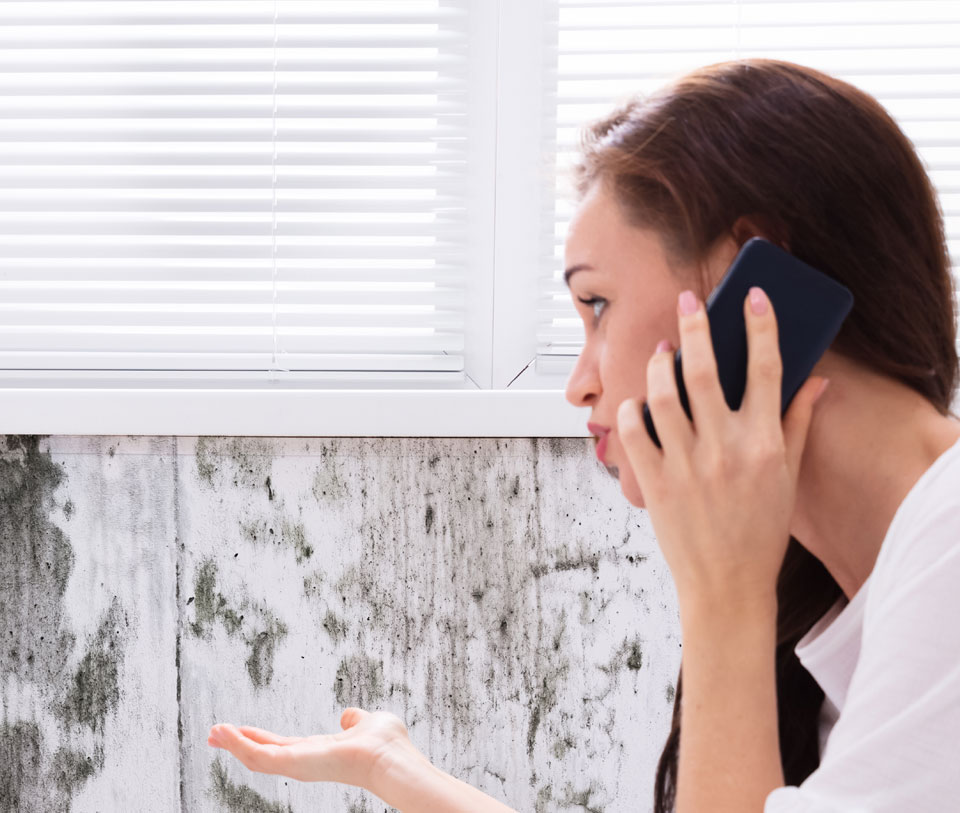
A mold inspection is a visual and instrument-based examination of a building to locate mold growth and the moisture sources supporting it, sometimes combined with air or surface samples analyzed by a laboratory. The inspection decides whether remediation is needed and how large the work area must be.
When to Get a Mold Inspection
- You smell mustiness but cannot find visible growth
- After any water damage that was not dried professionally
- Before buying or selling a home with a basement history
- When someone in the home has unexplained allergy or asthma symptoms
- After mold remediation, to verify the work (post-remediation verification)
What Our Mold Inspection Includes
- Interview about leaks, flooding and symptoms.
- Visual inspection of basement, attic, bathrooms, kitchen, crawl spaces and HVAC.
- Moisture mapping with pin and pinless meters.
- Thermal imaging to locate wet areas inside walls and ceilings.
- Humidity and temperature readings in each area.
- Air or surface sampling when it helps answer a specific question.
- Written findings with photos and a remediation scope if needed.
Do You Need Mold Testing?
Mold testing is not always necessary. If mold is visible, the EPA notes that sampling is usually not needed to decide on removal. Testing helps when mold is suspected but hidden, when a real estate transaction needs documentation, when health concerns require identifying species, or to confirm that remediation succeeded.
| Test type | What it shows |
|---|---|
| Air sampling | Indoor spore levels compared with an outdoor baseline |
| Surface (tape or swab) sampling | Whether a stain is mold and which type |
| Wall cavity sampling | Hidden growth inside a wall without opening it |
| Post-remediation verification | Whether the work area returned to normal levels |
Independent Testing and Conflicts of Interest
Some property owners prefer that the company testing the mold is not the company removing it. We are happy to work with an independent indoor environmental professional, and we recommend independent post-remediation verification on large projects.
If the inspection finds growth, our mold remediation team can begin the same week.
What Happens After a Mold Inspection
You receive a written report the same week. It covers:
- Where mold was found or suspected, with photos
- Moisture readings and the likely water source
- Lab results if samples were taken, explained in plain language
- A recommended remediation scope and containment level
- Steps to correct the moisture problem
Mold Inspections for Home Buyers and Sellers
A basement with a history of water is common in DuPage County. Buyers want to know whether past water left mold behind; sellers want to show the issue was handled. An inspection with moisture mapping and photos gives both sides clear documentation, and a post-remediation report shows the work was completed.
How to Prepare for a Mold Inspection
- Do not clean or paint over suspected mold before the visit.
- Run your HVAC normally for at least a day before air sampling.
- Keep windows closed for 12 hours before air sampling.
- Make the basement, attic access, crawl space and mechanical room reachable.
- Write down any past leaks, floods and repairs you know about.
Air Sample Results Explained
Air samples are compared with an outdoor sample taken the same day. Indoor spore counts much higher than outdoors, or indoor mold types that do not appear outdoors, suggest an indoor source. Normal results do not rule out hidden growth, so results are always read together with the visual inspection and moisture readings.
Mold Inspection Cost Factors
Inspection pricing depends on the size of the home, how many areas need access, and how many samples the lab analyzes. We give you the price before the visit.
Areas We Serve
We respond from Wood Dale to homes and businesses across DuPage and northwest Cook County, including:
Mold Inspection & Testing FAQs
How much does a mold inspection cost?
Cost depends on home size and whether lab samples are taken. A visual and moisture inspection costs less than one with several air samples, and we quote the price before the visit.
Can a mold inspection find mold inside walls?
Yes. Moisture meters and thermal cameras locate wet areas inside walls, and wall cavity air sampling can confirm growth without tearing out drywall.
What humidity level causes mold?
Indoor relative humidity above about 60% for extended periods supports mold growth. Keeping basements and living spaces below 50% is a common prevention target.
How long do mold test results take?
Most laboratory results for air and surface samples come back within a few business days, and expedited testing is available when a decision is urgent.